
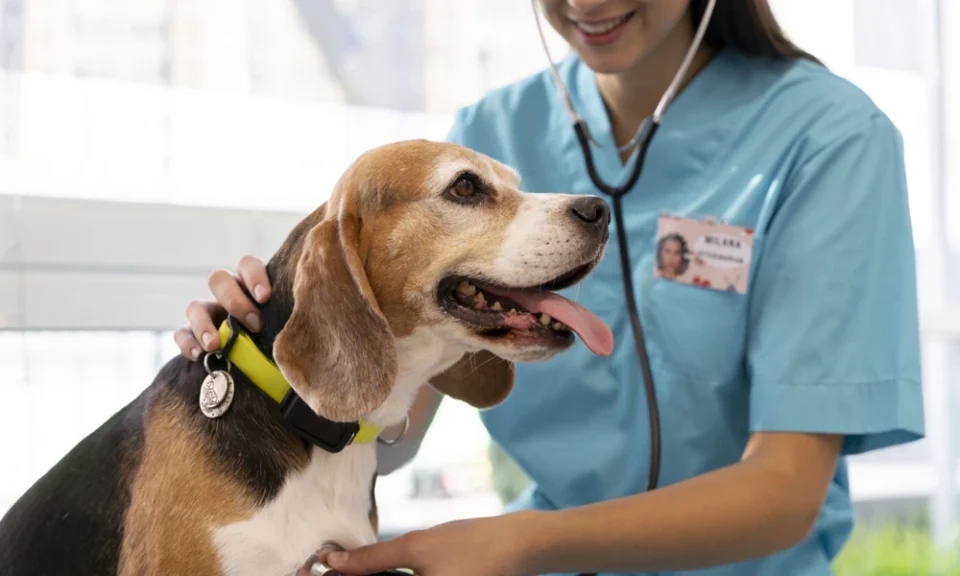
You know the routine. The carrier comes out, your cat disappears. Your dog starts pacing the second you grab the leash. By the time you reach the parking lot, your pet is already on edge and you are bracing for a hard visit, a hard bill, or bad news. A trip to a veterinary hospital can feel like too much for everyone involved, even when it is routine care. That is why finding the right veterinarian in St. Joseph, Missouri can make the entire experience calmer and more manageable.
That stress is real, and it does not start in the exam room. It builds at home, peaks during travel, and can spill into every part of the appointment. The good news is that many hospitals now work hard to lower fear at each step. They adjust the waiting room, train staff to read body language, use gentle handling, and help owners prepare before they arrive. Reducing pet stress at the vet is not just about comfort. It often leads to better exams, safer handling, and clearer decisions for you.
Veterinary hospitals reduce stress by changing the whole visit experience
Pets do not walk into a hospital with context. They smell unfamiliar animals, hear sharp sounds, and lose control over what happens next. A dog that is calm at home may bark, freeze, or pull away. A cat that tolerates handling on the couch may panic inside a carrier. Stress changes behavior fast, and when fear rises, even simple care like a temperature check or nail trim can become a struggle.
That is why better hospitals look beyond the medical task itself. They try to reduce triggers before they escalate. Some offer separate spaces for cats and dogs. Some schedule nervous pets at quieter times of day. Some move people straight into an exam room instead of keeping them in a crowded lobby. These are small changes on paper, but for a frightened pet they can mean the difference between caution and panic.
Staff training matters just as much. Gentle handling is not a soft extra. It is a clinical tool. When technicians and veterinarians slow down, use low voices, avoid force, and watch for stress signals, pets often recover faster between steps. Owners feel that shift too. You are less likely to feel helpless when the team explains what your pet is showing and why they are changing pace.
Preparation before the visit also lowers tension. Virginia Tech shares practical advice for stress-free veterinary trips, including carrier practice, short car rides, and bringing familiar bedding. Those steps help because they break the pattern of “carrier equals bad day” or “car equals scary place.”
Dogs often benefit from this kind of conditioning in a big way. Cornell’s guidance on making veterinary visits less stressful for dogs points to treats, happy practice visits, and calm owner behavior. If your dog only enters a clinic when something hurts, the hospital becomes part of the fear memory. Positive, low pressure exposure can change that over time.
Stress is not only emotional. It can affect health. Texas A&M explains how stressful situations for pets can lead to behavior changes, digestive upset, and other physical effects. In a hospital setting, fear can raise heart rate, blood pressure, and resistance to handling, which makes exams harder to interpret and treatment harder to deliver.
Low stress veterinary care helps pets, owners, and the medical team
When a hospital uses a low stress approach, the visit often becomes more accurate and more efficient. A calmer pet allows the veterinarian to listen, palpate, examine, and explain without rushing through a storm of movement and noise. You absorb more information too. That matters when you are trying to decide between diagnostics, treatment plans, or follow-up care.
You may also spend less money in the long run. A pet that can be examined safely without repeated failed attempts may need fewer repeat visits, less emergency sedation, and fewer injuries to staff or owners during handling. Fear based behavior is expensive in ways people do not always expect.
| Visit Approach | What It Looks Like | Likely Effect on Pets | Likely Effect on Owners |
|---|---|---|---|
| Standard rushed visit | Noisy lobby, long wait, quick restraint, little prep | Higher fear, struggling, vocalizing, shutdown behavior | More worry, less trust, harder decisions |
| Low stress veterinary care | Quiet scheduling, treats, gentle handling, breaks, clear communication | More cooperation, lower arousal, better recovery after visit | More confidence, better understanding, less guilt |
| Pre visit medication when needed | Vet prescribed calming medication before travel or exam | Reduced panic for pets with severe fear | Safer transport and a more manageable appointment |
Fear-free vet visits do not mean every pet suddenly loves the hospital. Some animals will still need extra support, especially if they have pain, a trauma history, or years of bad associations. The goal is not perfection. The goal is a safer, steadier experience that protects your pet and gives the medical team a fair chance to help.
Small steps before the appointment can change the entire veterinary hospital visit
Practice the carrier, leash, and car when nothing medical is happening. Leave the carrier out at home with treats or bedding inside. Take short drives that end somewhere neutral or pleasant. Walk into the clinic for a treat and leave, if the hospital offers that option. You are teaching your pet that these cues do not always lead to stress.
Tell the hospital what your pet does before you arrive. Say if your cat pants in the car, if your dog guards the exam table, or if either one shuts down when touched by strangers. That information helps the staff plan room placement, timing, handling, and whether pre visit medication may help. A good veterinary hospital wants that detail.
Ask for a low stress plan instead of hoping for the best. Request a quiet appointment time. Bring high value treats if allowed. Ask whether your pet can wait in the car until the room is ready. If past visits have gone badly, say so plainly. A generic vet visit can become a much better one when the team knows what happened last time.
Better veterinary care often starts with less fear
You are not overreacting if vet visits feel heavy in your house. Pets remember, owners anticipate, and stress feeds on both. Hospitals that take fear seriously can ease that cycle with better systems, better handling, and better communication. That is how veterinary hospitals reduce stress for both pets and owners, not with one trick, but by changing the whole experience from the front door to the trip home.
If your pet struggles with appointments, ask your veterinary hospital about low stress options and a visit plan tailored to your pet’s triggers. A calmer visit is possible, and it can make care easier for everyone.
