
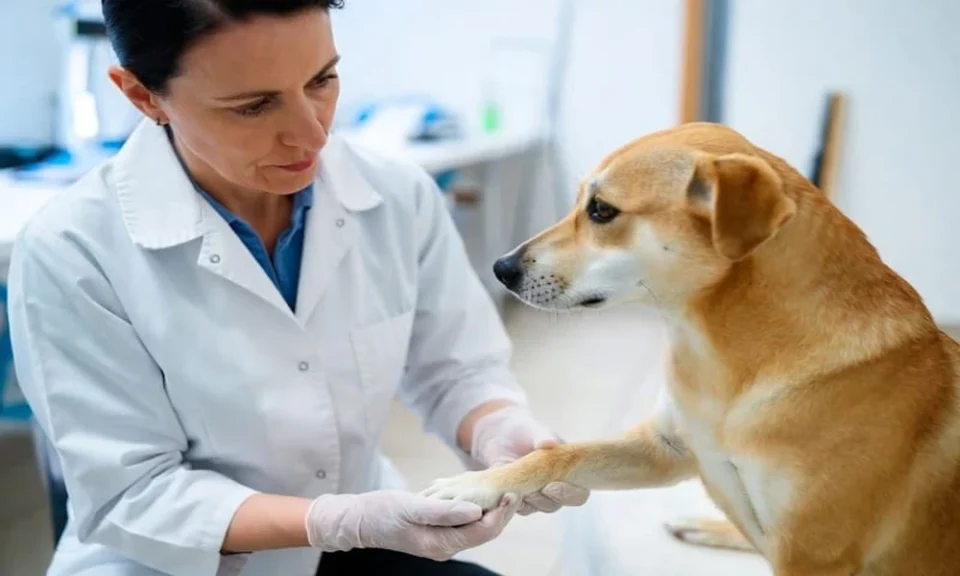
You noticed something was off before anyone said the word anemia. Your pet seemed tired, less interested in food, slower on walks, or maybe just not quite like themselves. Then came the exam, the bloodwork, and a new layer of worry from your veterinary in Heber Springs, AK. Anemia is not a disease by itself. It is a sign that something is wrong, and the hard part is figuring out why.
That search for the cause can feel stressful fast. You are trying to make good decisions, you may be thinking about cost, and you want answers soon because a pet with anemia can decline quickly. A general veterinarian often starts with a focused set of tests to learn whether your pet is losing blood, destroying red blood cells, or failing to make enough of them. Those answers shape treatment, prognosis, and how urgent the next steps need to be.
Finding the cause of anemia in pets starts with the pattern in the blood
When a veterinarian sees anemia, the first goal is not to guess. It is to sort the anemia into a pattern. That pattern often points toward bleeding, immune disease, parasites, chronic illness, bone marrow problems, toxin exposure, or cancer. The same pale gums can come from very different causes, which is why testing matters so much.
One of the first tools is a complete blood count, often called a CBC. This test measures red blood cells, white blood cells, hemoglobin, and platelets. It also helps show whether the body is trying to respond. Cornell’s overview of hematology testing explains how blood values help veterinarians interpret what is happening inside the body. If the bone marrow is pushing out immature red blood cells, that suggests regenerative anemia, which often means blood loss or red blood cell destruction. If there is little or no response, that points toward nonregenerative anemia, where the body is not making enough new cells.
A reticulocyte count is often paired with the CBC. Reticulocytes are immature red blood cells. Their presence tells your veterinarian whether the marrow is reacting the way it should. A dog with internal bleeding may show a strong reticulocyte response after a short delay. A cat with chronic kidney disease may not. That difference changes the whole workup.
A blood smear adds another layer. The lab or veterinarian looks at the cells under a microscope, and that can reveal clues no machine can fully capture. Red blood cells may look fragmented, pale, oddly shaped, clumped together, or infected with blood parasites. Sometimes the smear suggests immune mediated hemolytic anemia. Sometimes it points toward oxidative damage, toxins, or a marrow disorder. In cats, anemia has several possible causes, including chronic disease, parasites, and immune problems, which the Cornell Feline Health Center discusses in its page on feline anemia.
Immune testing can show whether the body is attacking its own red blood cells
Some pets become anemic because their immune system starts destroying red blood cells. This can happen on its own or along with infections, cancer, certain drugs, or other disease. In those cases, a veterinarian may recommend a direct Coombs test. Cornell’s information on direct Coombs testing explains that it helps detect antibodies attached to red blood cells, supporting a diagnosis of immune mediated hemolytic anemia.
This matters because the treatment for immune destruction is very different from the treatment for blood loss caused by a bleeding ulcer or a splenic mass. If your pet is weak and anemic, using the wrong treatment first can cost time your pet does not have.
Imaging and parasite screening often uncover hidden blood loss
Not all anemia starts in the blood itself. Some pets are losing blood somewhere you cannot see. A fecal test may find hookworms or other parasites, especially in younger animals or pets with poor parasite prevention. Tick borne disease testing may be needed if your pet has exposure risk, since some infections can destroy red blood cells or trigger bleeding problems.
X rays or ultrasound may be part of the workup when internal bleeding is a concern. A bleeding tumor, stomach ulcer, ruptured mass, or trauma can all cause anemia. A pet can look only mildly tired at home and still have serious blood loss inside the abdomen. That is one reason veterinarians often move quickly when anemia shows up with weakness, pale gums, fast breathing, or collapse.
These 5 anemia tests in pets each answer a different question
| Test | What It Helps Show | Why It Matters |
|---|---|---|
| CBC | Severity of anemia and changes in other blood cells | Helps narrow causes such as bleeding, infection, inflammation, or marrow disease |
| Reticulocyte count | Whether the bone marrow is making new red blood cells | Separates regenerative from nonregenerative anemia |
| Blood smear | Cell shape, clumping, parasites, and damage patterns | Can suggest immune destruction, toxins, or blood parasites |
| Direct Coombs test | Antibodies attached to red blood cells | Supports diagnosis of immune mediated hemolytic anemia |
| Imaging or parasite screening | Internal bleeding, masses, ulcers, worms, or tick borne disease | Finds causes outside the bloodstream itself |
This is why tests for anemia in pets are often layered instead of done one at a time over weeks. A veterinarian is building a story from several clues. One test rarely gives the full answer.
Practical steps help you move faster and with less confusion
Track symptoms and timing. Write down changes in energy, appetite, breathing, stool color, vomiting, bruising, weight loss, and any collapse episodes. Include when you first noticed them. If your pet got into a toxin, started a new medication, or missed parasite prevention, say so right away.
Ask what type of anemia your pet has. That one question can clear up a lot. If the anemia is regenerative, your veterinarian may focus on bleeding or red blood cell destruction. If it is nonregenerative, attention may shift toward chronic disease, kidney issues, bone marrow disease, or cancer. Understanding that split helps you follow the plan.
Know when it is urgent. Pale or white gums, weakness, fast breathing, collapse, black stool, or a swollen belly need prompt veterinary care. A veterinarian for pet anemia may recommend hospitalization, oxygen support, fluids, or even a transfusion before every answer is in place. Stabilizing your pet comes first.
Getting answers about pet anemia is the first step toward treatment
Anemia can sound overwhelming because it points to a bigger problem, but the testing process is designed to narrow that problem quickly. A general veterinarian uses bloodwork, cell evaluation, immune testing, and targeted screening to figure out whether your pet is losing blood, destroying it, or failing to replace it. Once that cause is clear, treatment becomes much more focused.
If your pet seems weak, pale, or suddenly unlike themselves, do not wait and hope it passes. Schedule a veterinary visit as soon as you can. Early testing often makes the next decision easier, and it gives your pet the best chance at steady, effective care.
