
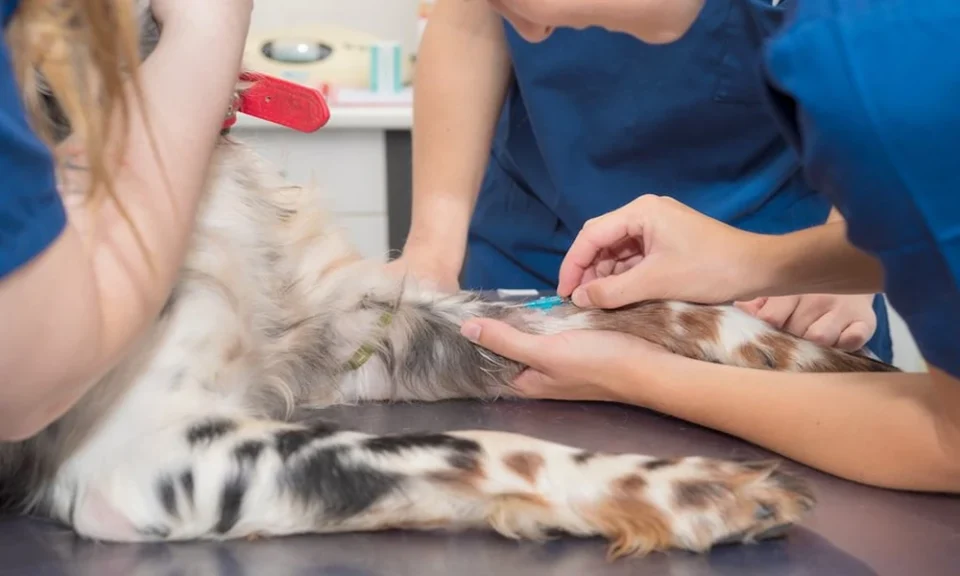
You bring home a puppy or kitten, and suddenly every small sneeze, skipped meal, loose stool, or sleepy afternoon feels loaded with meaning. That worry is normal. Young pets change fast, they hide discomfort well, and problems that seem minor in an adult dog or cat can become serious much sooner in a baby animal. The short version is simple. How Animal Hospitals Provide Specialized Care For Puppies And Kittens comes down to early exams, vaccine planning, parasite control, nutrition support, and close monitoring during the months when growth is rapid and risks are high, especially when guided by a veterinarian in Fontana.
That is where an animal hospital does more than offer routine care. It gives you a structured plan for a pet whose immune system is still developing, whose body is still growing, and whose behavior is still taking shape. Puppy and kitten veterinary care is built around prevention, early detection, and guidance that fits your pet’s age, breed, size, and home life.
Animal hospitals catch small problems before they become emergencies
Puppies and kittens are vulnerable in ways adult pets are not. They can dehydrate faster, blood sugar can drop quickly, intestinal parasites can affect growth, and infectious disease can spread before clear signs show up. You may only notice that your pet seems quieter than usual or has stopped finishing meals. That small shift matters.
An animal hospital starts with a full physical exam, then looks at the details many owners cannot reliably assess at home. Weight gain, hydration, heart and lung sounds, gum color, stool quality, body condition, temperature, bite alignment, and early orthopedic concerns all help shape the next step. This is one reason specialized care for puppies and kittens is different from a standard visit for an adult pet.
Vaccines are a clear example. A single shot is not the whole plan. Young pets need a schedule timed to when maternal antibodies fade and their own immune response becomes dependable. Missed timing can leave gaps in protection. Cornell’s pet health education library offers helpful guidance on preventive care topics owners often face during this stage.
Parasites are another major concern. Roundworms, hookworms, fleas, ticks, and protozoa are common in young animals, and some can affect people too. The CDC explains the basics of how parasites spread, which is one reason veterinarians push early fecal testing, deworming, flea control, and household hygiene. A kitten with a bloated belly and poor weight gain may not just be “filling out.” A puppy with soft stool every few days may not simply have a sensitive stomach.
Specialized newborn and juvenile pet care supports growth, behavior, and safety
Medical care is only part of the picture. The first months shape lifelong health and behavior. Animal hospitals guide feeding plans, monitor growth curves, discuss safe exercise, and flag breed related concerns before they become expensive or painful. Large breed puppies may need different nutrition than a toy breed. A flat faced kitten may need closer attention to breathing and eye health. A pet that scratches, bites, or panics during handling may not grow out of it without help.
You also need practical advice that fits daily life. How often should meals happen. When should litter box issues raise concern. What chewing is normal. When is crying at night expected, and when does it suggest pain or illness. Good veterinary care answers those questions early, before frustration builds and before avoidable habits set in.
Cats deserve special planning because their signs of illness are often subtle. The CDC’s page on healthy living with cats covers basic safety and disease prevention, especially for households with children, older adults, or anyone with a weaker immune system. That matters when you are caring for a kitten who explores everything with its mouth and paws.
Professional animal hospital care reduces risks that home monitoring can miss
| Concern | Home Monitoring Alone | Animal Hospital Care |
|---|---|---|
| Weight and growth | You may notice size changes late | Regular weigh ins show poor growth early |
| Vaccines | Timing is easy to misjudge | Age based schedule lowers disease risk |
| Parasites | Many infections are not visible | Fecal testing and deworming target hidden issues |
| Nutrition | Overfeeding or the wrong formula is common | Diet advice matches age, size, and breed |
| Behavior | Fear or aggression may be dismissed as a phase | Early coaching improves handling and social development |
| Illness detection | Symptoms can look vague or mild | Exam findings catch trouble sooner |
The financial side matters too. Preventive visits cost less than urgent treatment for parvovirus, severe dehydration, intestinal blockage, or advanced parasite burden. Owners often hope a young pet will “bounce back by tomorrow.” Sometimes they do. Sometimes that delay is what turns a manageable problem into a long night in emergency care.
Three steps help you get the right care for puppies and kittens right away
Schedule the first exam early. New puppies and kittens should see a veterinarian soon after coming home. Bring any records from the breeder, rescue, or shelter, along with details on food, stool, appetite, and behavior. Those details help build a clean starting point.
Track the basics every day. Watch eating, drinking, stool, urination, energy, and weight if you can do it safely. Young pets change quickly, and patterns tell a clearer story than memory does. If your puppy vomits twice in one day or your kitten stops eating, call the animal hospital instead of waiting it out.
Follow the full prevention plan. Vaccines, deworming, fecal tests, flea and tick prevention, nutrition advice, and spay or neuter timing work best as a system. Skipping one piece often weakens the rest. This is the core of good veterinary support for young pets and the foundation of long term health.
Early animal hospital care gives puppies and kittens a stronger start
If you feel overprotective right now, you are probably just paying attention. That instinct helps. Puppies and kittens need more than affection and a food bowl. They need age specific medical care, close observation, and a plan that adjusts as they grow. An animal hospital helps you catch problems early, prevent avoidable illness, and move through the first months with more confidence. If your new pet has not had an exam yet, schedule one and get that plan in place now.
