
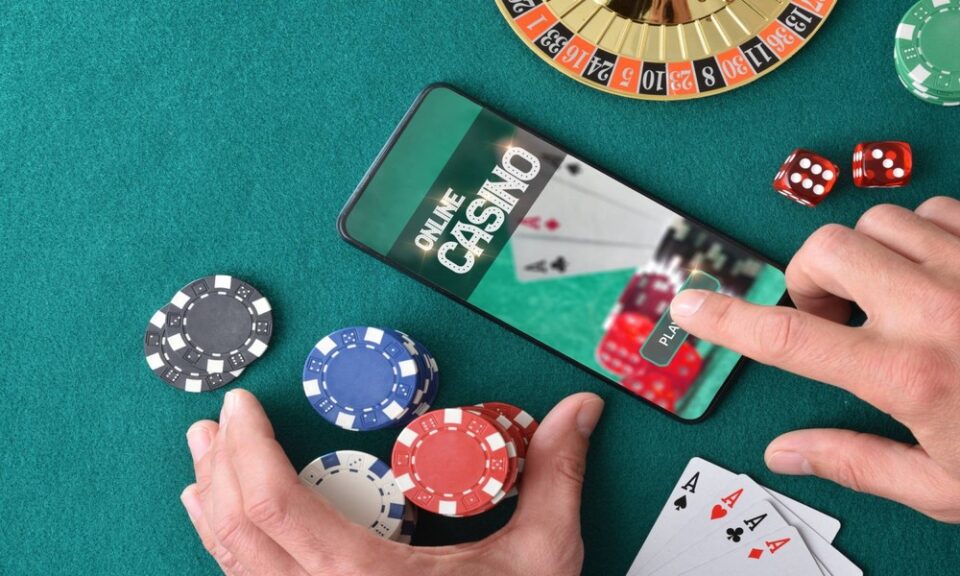
Wallet connectivity models fundamentally influence how players engage with blockchain gaming platforms. The technical methods connecting cryptocurrency wallets to gaming interfaces determine accessibility, security, and user experience quality. cryptogames implement various interaction patterns ranging from direct wallet connections to hybrid account systems. These architectural choices affect everything from initial onboarding friction to ongoing gameplay convenience. Certain platforms attract particular demographics while others struggle with adoption.
Direct connection models
Platforms using direct wallet integration require players to connect existing cryptocurrency wallets before accessing any gaming features. Players click connection buttons, approve wallet access requests through pop-up interfaces, and then interact with platforms while maintaining custody of their funds in personal wallets. This model creates strong security positioning. Funds never leave player control except during active bet placement. The platform cannot access wallet contents without explicit transaction approvals for each significant action. Someone playing with MetaMask connected sees every bet as a transaction requiring manual confirmation through their wallet interface. This transparency prevents unauthorised fund movements but introduces friction that many players find tedious.
The direct connection approach particularly appeals to cryptocurrency enthusiasts already familiar with wallet management. These users appreciate maintaining full custody and find transaction confirmations reassuring rather than burdensome. Newcomers unfamiliar with wallet software face steep learning curves in installing applications, securing seed phrases, and managing gas fees before ever placing their first bet.
Hybrid account systems
Many platforms offer hybrid solutions combining traditional account creation with optional wallet connections. Players can register using email addresses and passwords, deposit cryptocurrency to platform-controlled addresses, then play using internal balance systems. The platform maintains custody during active gaming sessions. Alternatively, these same platforms might support direct wallet connections for users preferring self-custody approaches. This flexibility accommodates diverse user preferences and experience levels:
- Beginners can use familiar account registration without wallet complexity
- Experienced users can maintain self-custody through direct connections
- Players can switch between modes based on session security preferences
- Platform adoption broadens by removing wallet requirements as entry barriers
- Operational models suit both casual players and crypto-native audiences
The hybrid approach sacrifices some ideological purity around decentralisation and self-custody but substantially improves practical accessibility. Someone curious about crypto gaming can start playing immediately using traditional registration rather than spending hours learning wallet fundamentals first.
Transaction confirmation patterns
The frequency and explicitness of transaction confirmations dramatically affect gameplay flow and player psychology. Platforms using direct wallet connections face decisions about when to request approvals. Some require confirmation for every individual bet, creating constant interruption as players approve each wager through wallet popups. Other implementations use allowance mechanisms where players approve spending limits once, then place numerous bets within those limits without additional confirmations. A player might approve a 100 USDT spending allowance, enabling uninterrupted betting until that amount is exhausted. This reduces friction substantially while maintaining some spending controls through the predetermined limits.
Account-based systems eliminate mid-game confirmations by processing bets against internal balances. Players only interact with wallets during deposits and withdrawals. The uninterrupted gameplay flow appeals to those prioritising convenience, though it requires trusting platform custody during active sessions. These architectural decisions determine accessibility for various audience segments, from crypto newcomers to blockchain veterans. Platforms must balance security, convenience, and ideological alignment when selecting interaction models matching their target demographics and operational philosophies.
