
Key Takeaways
- Women’s empowerment supports independent decision-making.
- A sober lifestyle strengthens mental clarity and confidence.
- Financial and emotional independence reduce harmful coping habits.
- Accountability and community support improve long-term stability.
- Personal growth increases when health becomes a priority.
Women’s empowerment is about choice, confidence, and control over one’s life. It includes education, financial independence, leadership opportunities, and personal freedom. A sober lifestyle connects closely with these goals. When women are free from substance dependence, they often gain stronger focus and clearer direction.
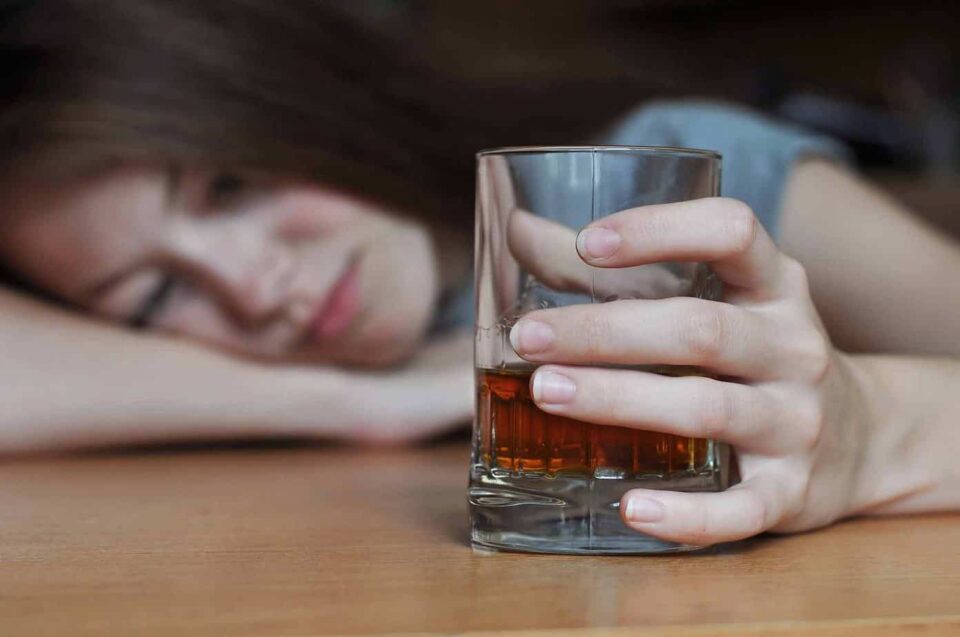
Alcohol misuse can limit potential. It affects physical health, emotional balance, and career growth. It may also impact family stability. Choosing sobriety can open space for personal development. Clear thinking supports better decisions.
For some women rebuilding stability after alcohol challenges, structured accountability can be part of that process. As recovery progresses, some individuals rely on Soberlink to provide documented confirmation of abstinence. This type of monitoring can support transparency while a person works toward long-term independence. It is not about restriction. It is about reinforcing commitment during a vulnerable period.
Empowerment grows when health and responsibility come first.
Confidence and Clear Decision-Making
A sober lifestyle supports mental clarity. When the mind is not affected by alcohol, judgment improves. Women can assess risks more accurately. They can set realistic goals. Confidence increases with self-control. Each healthy choice builds trust in oneself. Over time, that trust becomes a strong foundation.
Empowered women often lead families, businesses, and communities. Clear thinking strengthens leadership skills. It also improves communication. Sobriety allows emotions to be processed without chemical interference. This builds emotional strength.
Financial Independence and Stability
Alcohol misuse can create financial strain. Spending on substances, missed work, or health issues can reduce stability. A sober lifestyle protects income. It improves reliability at work. Consistent performance often leads to career advancement.
Financial independence is a key part of empowerment. When women manage their resources wisely, they gain more freedom. They can invest in education, housing, and long-term security. Economic stability also reduces stress. Lower stress decreases the urge to use unhealthy coping methods.
Emotional Strength and Healthy Relationships
Empowered women build strong boundaries. Sobriety supports this process. It allows individuals to recognize unhealthy patterns clearly. Substance misuse can lead to conflict, secrecy, and broken trust. Choosing sobriety encourages honesty and accountability. Healthy relationships thrive on respect and reliability. A sober lifestyle increases both. It allows women to show up consistently for partners, children, and friends.
Support networks also become stronger. Recovery communities often provide encouragement and shared understanding. These connections reinforce empowerment.
Accountability as a Tool for Growth
Recovery sometimes requires measurable structure. Accountability can help maintain progress during early stages. Soberlink is an alcohol monitoring device that provides scheduled breath tests with identity verification. For some women, documented testing offers reassurance to family members while personal discipline strengthens. Over time, the goal remains internal control rather than external oversight. Accountability is not weakness. It can be a stepping stone toward lasting independence.
Breaking Social Pressures
In many cultures, social drinking is normalized. Women may face pressure to participate in alcohol-centered gatherings. Choosing sobriety can feel isolating at first. However, empowered women define their own standards. They do not rely on social approval to make healthy choices. Breaking free from social pressure strengthens identity. It reinforces the belief that personal well-being matters more than temporary acceptance. This mindset spreads beyond substance choices. It influences career decisions, relationships, and personal boundaries.
Physical Health and Long-Term Wellness
Sobriety supports physical health. It reduces the risk of liver disease, heart problems, and mental health disorders. When physical energy improves, productivity rises. Women can focus on goals with greater stamina. Healthy habits often expand into other areas. Exercise, balanced nutrition, and stress management become priorities. Physical wellness strengthens overall empowerment.
Education and Leadership
Women who maintain clarity and stability are better positioned to pursue education. Learning requires focus and commitment. Leadership also demands reliability. A sober lifestyle increases dependability. It builds credibility in professional and community roles. Empowered women often become role models. Their choices influence younger generations. Choosing sobriety sends a message about self-respect and strength.
Conclusion
The connection between women’s empowerment and a sober lifestyle is strong. Sobriety supports clarity, financial stability, emotional resilience, and leadership growth. Empowerment means taking control of one’s future. A sober lifestyle protects that control. It allows women to make decisions based on strength rather than impulse. While each journey is personal, the outcome is often similar. Health improves. Confidence rises. Opportunities expand. When women choose clarity and accountability, they create space for lasting success. Empowerment grows from that foundation.
