
Life changes. A new relationship, a shift in priorities, the loss of a child, or simply a change of heart about having a family. According to the National Institutes of Health, between 3% and 6% of men who undergo a vasectomy eventually decide they want it reversed. The good news is that vasectomy reversal is a well-established microsurgical procedure with high success rates when performed by an experienced urologist. Dr. Jon Lazare at Lazare Urology in Brooklyn routinely performs vasectomy reversals in his in-office operating room, and his practice reports patency rates (the return of sperm to the ejaculate) of up to 90%.
But success depends on several factors, and understanding those factors before scheduling the procedure will help you and your partner set realistic expectations.
How a Vasectomy Reversal Works
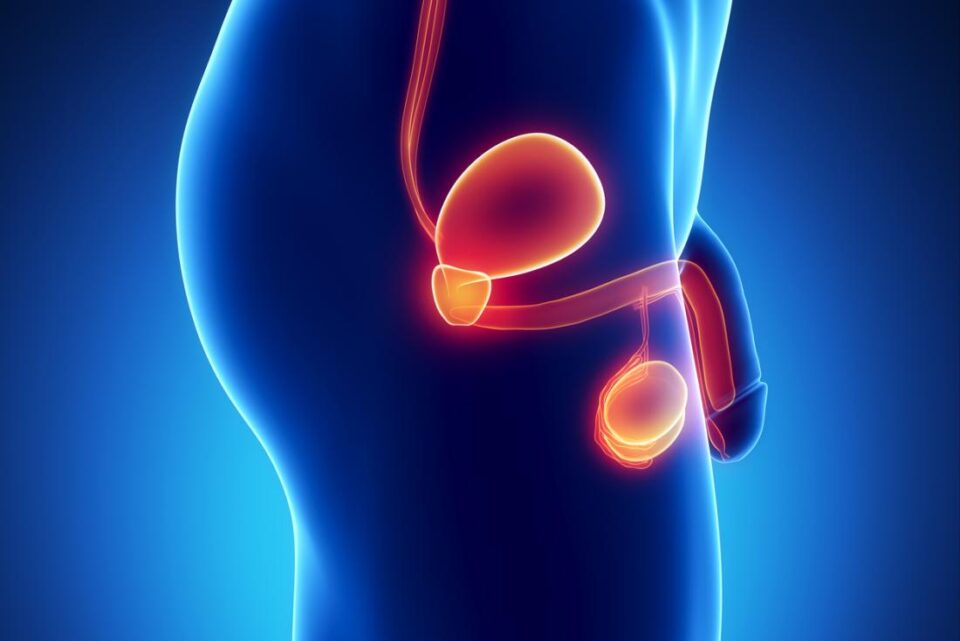
During a vasectomy, the vas deferens, the tube that carries sperm from the testicle to the urethra, is cut and sealed on both sides. A reversal reconnects those severed ends so sperm can once again travel through the reproductive tract and be present in the ejaculate.
The standard technique is called a vasovasostomy. Under magnification, the surgeon carefully aligns the two cut ends of the vas deferens and sutures them together using microsurgical instruments and suture material thinner than a human hair. The procedure is performed on both sides to maximize the chances of restoring fertility.
In some cases, a more complex technique called a vasoepididymostomy is necessary. This happens when scar tissue or a blockage has developed in the epididymis, the coiled tube where sperm mature after leaving the testicle. Rather than reconnecting the two ends of the vas deferens, the surgeon bypasses the blockage by connecting the vas deferens directly to the epididymis. A vasoepididymostomy is technically more demanding and takes longer, but an experienced microsurgeon can determine which approach is needed by examining the fluid at the testicular end of the vas during the procedure.
At Lazare Urology, vasectomy reversals are performed under sedation with a board-certified anesthesiologist present, so the patient is completely asleep and comfortable. The procedure takes approximately one and a half to two hours for a vasovasostomy, and up to three and a half hours if a vasoepididymostomy is required.
The Factor That Matters Most: Time Since the Original Vasectomy
The single biggest predictor of success is how many years have passed since the vasectomy was performed. The shorter the interval, the better the odds.
Men who have a reversal within three years of their original vasectomy see patency rates as high as 97%. Between three and eight years, rates remain strong, generally in the 88% to 95% range. After ten years, the numbers begin to decline more noticeably, and after fifteen to twenty years, the likelihood of a successful reversal drops further, though it doesn’t disappear. Men who had their vasectomy twenty or more years ago can still achieve sperm return, but the chances are lower and the probability of needing the more complex vasoepididymostomy increases.
The reason for this decline is biological. Over time, back-pressure from blocked sperm can cause secondary obstruction in the epididymis. The longer the vas has been sealed, the greater the chance that this secondary blockage has developed, which is what necessitates the bypass procedure rather than a straightforward reconnection.
That said, time since vasectomy isn’t the only variable. The quality of the original vasectomy, the length of vas deferens that was removed, whether cauterization or clips were used, and whether any scarring developed at the vasectomy site all influence the technical difficulty of the reversal.
Patency Rate vs. Pregnancy Rate
This is a distinction that trips up a lot of couples. Patency rate refers to the return of motile sperm to the ejaculate. Pregnancy rate refers to the couple actually conceiving. These are not the same number, and the gap between them matters.
Patency rates after vasectomy reversal can reach 90% or higher. Pregnancy rates, which are the measure most couples care about, typically range from 30% to 70% depending on the circumstances. The difference is explained by factors beyond the reversal itself: the female partner’s age and fertility, sperm quality after the reversal, the presence of anti-sperm antibodies that the body may have developed after the vasectomy, and the overall reproductive health of both partners.
Female partner age is particularly significant. Fertility declines with age, and a woman over 37 or 38 faces a meaningfully different conception timeline than a woman in her late twenties. For couples where the female partner is approaching or past 40, Dr. Lazare may discuss whether vasectomy reversal or sperm retrieval combined with in vitro fertilization (IVF) offers the better path to pregnancy. Both options have trade-offs in terms of cost, invasiveness, and probability of success.
What Couples Should Consider Before Scheduling
A vasectomy reversal is a significant decision, and a few practical considerations are worth thinking through before committing.
First, the female partner should have a gynecological evaluation. If there are undiagnosed fertility issues on her side, such as blocked fallopian tubes or diminished ovarian reserve, the reversal may restore the man’s fertility only to encounter a separate barrier to conception. Identifying both partners’ reproductive status upfront avoids spending time and money on a reversal that won’t lead to pregnancy because of an unrelated issue.
Second, understand the recovery timeline. Vasectomy reversal recovery is similar to vasectomy recovery: rest and ice for the first few days, light activity within a week, and no heavy lifting or sexual activity for about four weeks. Sperm won’t appear in the ejaculate immediately. It typically takes three to six months for sperm counts to normalize, and Dr. Lazare will order periodic semen analyses to monitor progress. Conception timelines vary, but most couples who achieve pregnancy after a reversal do so within 12 to 18 months.
Third, consider the financial picture. Most private insurance plans do not cover vasectomy reversal, so the cost is typically out of pocket. At Lazare Urology, the procedure is performed in the in-office operating room, which reduces costs compared to hospital-based surgery. Patients should request a detailed cost breakdown during their consultation so there are no surprises.
Post-Vasectomy Pain Syndrome
Fertility restoration isn’t the only reason men seek reversal. A small percentage of men develop chronic scrotal or testicular pain after their vasectomy, a condition known as post-vasectomy pain syndrome (PVPS). The pain can range from a dull ache to sharp discomfort and may be triggered by physical activity or ejaculation. When conservative treatments like anti-inflammatories and scrotal support don’t provide relief, vasectomy reversal can help by relieving the back-pressure that contributes to the pain. Dr. Lazare evaluates PVPS patients individually and can advise whether reversal is likely to improve the symptoms.
Schedule a Vasectomy Reversal Consultation at Lazare Urology
Vasectomy reversal is a highly successful procedure when performed by a skilled microsurgeon, and the sooner it’s done after the original vasectomy, the better the odds. But even men whose vasectomies were performed a decade or more ago may still be strong candidates. The only way to know where you stand is to have a thorough evaluation.
Contact Lazare Urology at (718) 568-7516 to schedule a consultation with Dr. Lazare. He’ll review your history, discuss the factors specific to your case, and give you a clear picture of what reversal can realistically achieve. If you and your partner are considering this path, that conversation is the right place to start.
